
How to Set Markups on Flights and Hotels
By Travel White Label · Published 18 October 2026 · Updated 18 October 2026

A good travel markup strategy sets a clear rule for every booking: what you add to the supplier's net price, whether that is a fixed amount (for example £15 per passenger) or a percentage (for example 8% of the net rate), and how that rule changes by product, supplier and sales channel. Most UK agencies end up with a mix: fixed markups or service fees on flights, percentage markups on hotels, and separate rules for B2B sub-agents.
This guide shows how to work out markup and margin correctly, when fixed or percentage markups fit, how flights and hotels differ, how to set rules by supplier and channel, the UK pricing rules to keep in mind, and a checklist before you switch your markups on.
In this guide
Markup vs margin: get the maths right first
Fixed vs percentage markups
How to mark up flights
How to mark up hotels
Setting markups by supplier, channel and customer
UK rules that affect how you show your price
A worked example markup plan
Checklist, key takeaways and FAQs
Markup vs margin: get the maths right first
Markup and margin are not the same number, and mixing them up is one of the easiest ways to earn less than you planned.
Markup is what you add, as a share of the net (cost) price. Net £100 with a 20% markup gives a sell price of £120.
Margin is your profit as a share of the sell price. On that same £120 sale, your £20 profit is a margin of about 16.7%, not 20%.
If you have a target margin in mind, work backwards with this formula: sell price = net price ÷ (1 − target margin). For a 20% margin on a £100 net rate, that is £100 ÷ 0.80 = £125, which is a 25% markup.
Before you set any rules, decide which number your business plan uses, and make sure your booking engine, your accountant and your sales team all mean the same thing when they say "10%". Your markup also has to cover card processing, your own GDS or gateway charges, staff time on changes and any commission you pass to sub-agents.
Fixed vs percentage markups
The right choice depends on the value of the booking and the work behind it.
How it works. Fixed: a set amount per booking, passenger or room night (for example £20 per booking). Percentage: a share of the net price (for example 10%).
Low-value bookings. Fixed: protects your earnings on a cheap short-haul fare or a one-night city hotel. Percentage: can leave you with a few pounds, which may not cover the cost of handling the booking.
High-value bookings. Fixed: can look thin on a £6,000 family holiday. Percentage: grows with the booking, but a large figure can make you uncompetitive on price comparison.
Best suited to. Fixed: flights, ticketing and service fees, transfers. Percentage: hotels, packages, tours and activities.
Many agencies combine the two: a percentage with a minimum (for example 8%, but never less than £10) and sometimes a maximum (never more than £150 per booking). That keeps small bookings worth doing and stops large ones from drifting out of the market.
How to mark up flights
Flight pricing depends on the type of fare you are selling. If you are not sure where your fares come from, our guide to GDS vs bedbank travel content explains how GDS flight content differs from hotel supply.
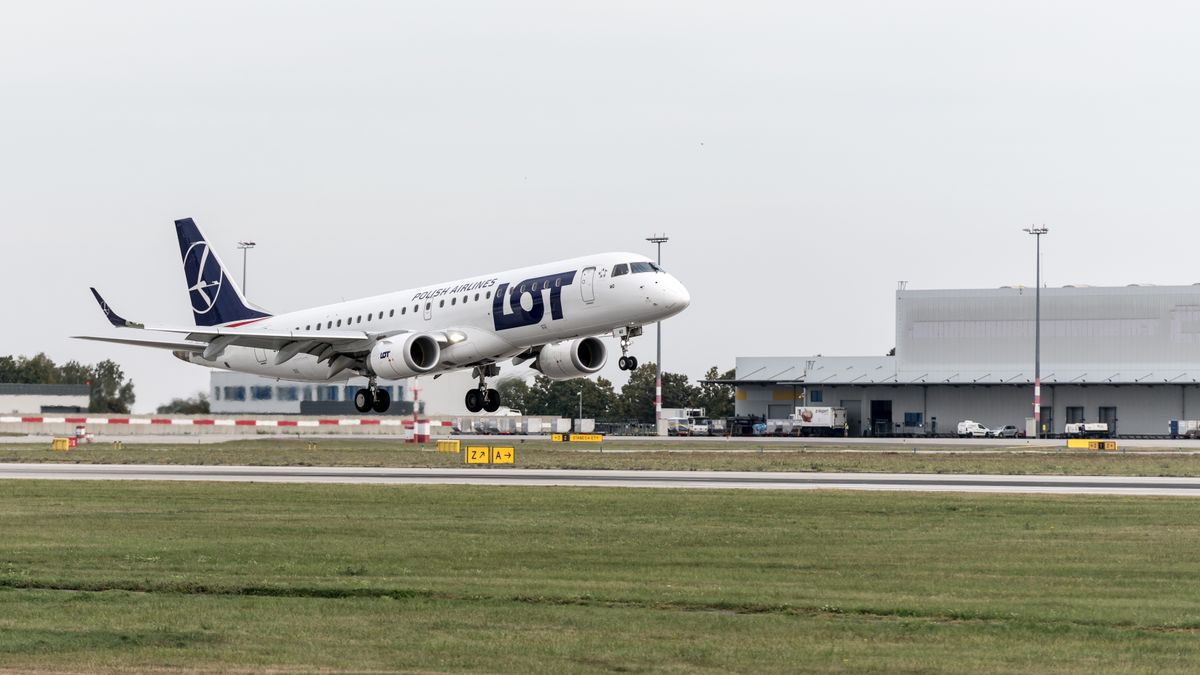
Published fares are the airline's public prices. Airlines often pay little or no commission on these, so agencies usually earn through a fixed service fee per passenger or per booking.
Net or private fares, typically from consolidators or negotiated deals, come with a net price you are expected to mark up. A fixed amount per passenger is common, sometimes varied by route, cabin or season.
Low-cost carrier fares are often very competitive, so a small fixed fee per booking usually works better than a percentage.
A few practical points for flights:
Decide what the markup applies to. A percentage on the total fare, including taxes and charges such as UK Air Passenger Duty, marks up money you simply pass on. Applying it to the base fare, or using a fixed amount, avoids that.
Price per passenger type. Decide whether children and infants carry the same markup as adults. Many agencies reduce or remove it for infants.
Plan for changes and refunds. Set a separate fee for after-sales work rather than relying on the original markup to cover it, and state it clearly in your booking terms.
How to mark up hotels
Hotel content from bedbanks such as HotelBeds, Ratehawk, TBO, Stuba and DOTW usually arrives at a net rate. You add your markup and the customer sees your sell price. Because room prices vary widely, a

percentage markup is the usual starting point.
Start with a default percentage for all hotels, then adjust by destination, star rating or season once you see how bookings convert.
Add a minimum per booking so a cheap one-night stay still covers your costs.
Compare the same hotel across suppliers. When two bedbanks offer the same room, your engine should show the best sell price after markup, not just the cheapest net.
Check rate conditions. Some supplier contracts include conditions on how net rates may be sold or displayed. Read yours before you set very low markups on hotels sold on their own.
Setting markups by supplier, channel and customer
One flat rule for everything rarely works. A sensible structure has a default markup and then more specific rules that override it. On TravelWhiteLabel's B2B travel platform, markups can be set globally, per agent group or per individual agent, and by product, supplier or route.
By supplier. Net rates and terms differ between suppliers. A supplier with stricter cancellation terms or slower payment may justify a different markup.
By channel. Your B2C website, meta search traffic, phone sales and B2B portal can all carry different markups. Meta search, for example, compares you directly with rivals, so prices there often need to be sharper.
For B2B sub-agents. You add your markup to the net, and the sub-agent then adds theirs on top before selling to their customer. Decide whether sub-agents ever see your net, and set a sell floor. Our guide to how a B2B travel portal handles sub-agent booking covers credit limits and agent logins in more detail.
Keep the rule order simple: the most specific rule wins (for example, agent and route before agent group, and agent group before the global default).
UK rules that affect how you show your price
How you add your markup is a commercial choice, but how you display the final price is regulated. This section is general information, not legal or tax advice, so check the details with a qualified adviser.
Show the total price upfront. The CMA's guidance on unfair commercial practices under the Digital Markets, Competition and Consumers Act 2024 covers drip pricing. Build mandatory fees into the price you show, rather than adding them late in checkout.
Do not add card surcharges for consumers. The Consumer Rights (Payment Surcharges) Regulations 2012, as amended, generally stop you charging consumers extra for paying by card. Card costs need to sit inside your markup.
Packages and protection. Selling a flight and a hotel together can create a package with ATOL implications. The CAA's ATOL guidance explains how protection works. On TravelWhiteLabel you can use our suppliers at no extra cost, and those suppliers are ATOL and ABTA protected.
VAT on travel margins. If your business is VAT registered and resells travel, HMRC's Tour Operators' Margin Scheme (VAT Notice 709/5) may apply to your margin. Ask your accountant before you set final prices.
A worked example markup plan
The figures below are example numbers for illustration only. They are not recommended rates or real supplier prices. Imagine a small UK agency with its own website and a few B2B sub-agents.
Global default: 8% on net, minimum £10 per booking.
Flights (B2C): fixed £15 per adult and child, £5 per infant, applied to the base fare only.
Hotels (B2C): 12% on net, minimum £12 per booking, maximum £150.
Meta search traffic: hotels at 9%, flights at £10 per passenger, to stay competitive in comparison results.
B2B sub-agents: 5% on net for hotels and £8 per passenger on flights; sub-agents add their own markup on top, with a sell floor so they cannot sell below your net plus markup.
After-sales: a fixed change fee stated in the booking terms.
Under this example plan, a hotel with a £400 net rate sells at £448 on the website (12% markup, £48 earned). The same hotel through a sub-agent costs them £420 before they add their own markup. A return flight for two adults with a £300 base fare per person carries £30 of markup on the website, whatever the taxes on that route.
Checklist: before you switch markups on
Have you agreed whether your targets are markup or margin, and checked the maths?
Does every product have a default rule, with a minimum per booking?
Have you set caps for high-value bookings and meta search traffic?
Do flight markups avoid marking up taxes you pass straight on?
Are infant, child and group prices set deliberately?
Are B2B rules separate, with a sell floor and a decision on whether nets are visible?
Does the price shown on search results include every mandatory fee?
Do your markups cover card processing and your own GDS or gateway charges?
Have you test-booked each rule on a beta or staging site before go-live?
Is there a monthly review date to compare conversion and earnings by rule?
Key takeaways
A travel markup strategy is a set of rules, not one number: a default, then overrides by product, supplier, channel and customer.
Markup is a share of net, margin is a share of sell. Use sell = net ÷ (1 − margin) to hit a target margin.
Fixed markups and service fees suit flights and low-value bookings; percentages with a minimum and a cap suit hotels and packages.
Show the total price upfront and do not add consumer card surcharges.
Test every rule on a beta site and review results monthly.
FAQ
What is a typical markup for a travel agency?
There is no single standard figure. It depends on the product, the supplier's net price, your costs, your channel and your competition. Start from your costs and target margin, then compare your sell prices with what customers can find elsewhere.
Should I use a fixed or a percentage markup on flights?
Fixed amounts or service fees per passenger are common on flights, because fares include taxes you pass on and many fares are highly competitive. Percentages tend to suit hotels and packages better.
Can sub-agents add their own markup?
Yes. On a B2B portal you add your markup to the supplier net, and the sub-agent adds theirs before selling to the end customer. You decide whether sub-agents can see your net and set a floor they cannot sell below.
Does TravelWhiteLabel take a cut of my markup?
Our plans are a monthly fee: Growth £179, Scale £599 and Elite £999 per month, with no setup fee, a free beta site and billing only from go-live. You can use our suppliers at no extra cost. Charges from your own GDS or payment gateway are not included. See plans and pricing.
Test your markup rules on a free beta site
Want to see your markups working on real flight and hotel searches before you go live? Start on a free beta site with TravelWhiteLabel: there is no setup fee, and billing only starts at go-live. Set your rules, test-book them and adjust before customers see a price. Start on a free beta site, compare plans and pricing, or call our London team on 020 3432 6375 (Mon-Fri 9:00-18:00).