
GDS vs Hotel Bedbanks: Choosing Your Travel Content
By Travel White Label · Published 17 October 2026 · Updated 17 October 2026
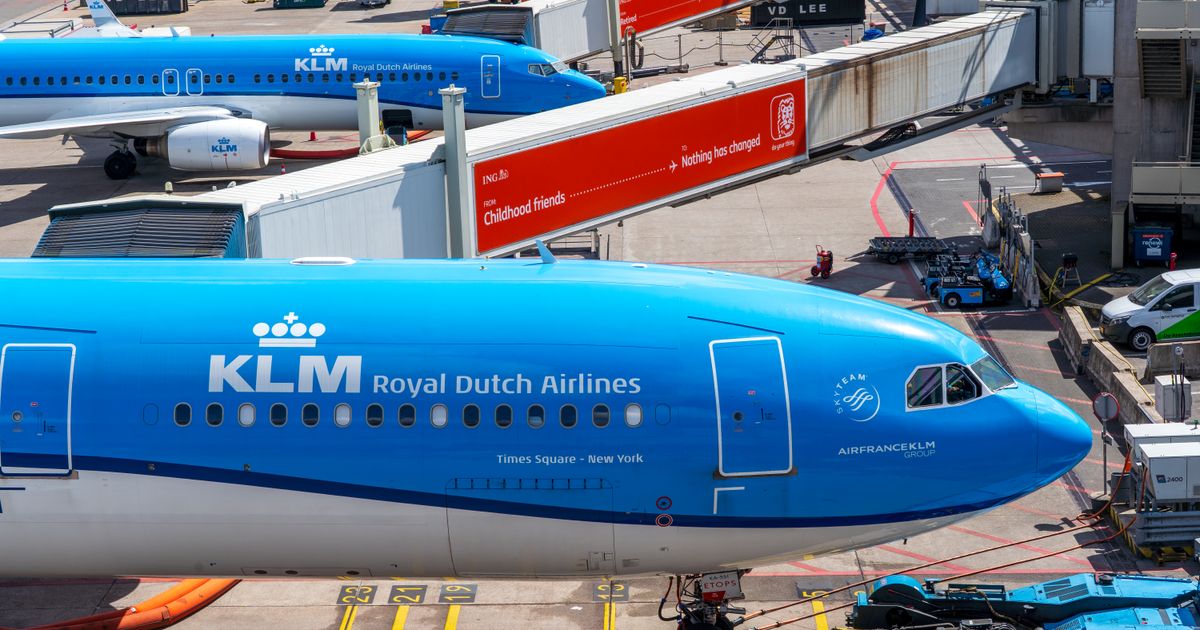
A GDS (global distribution system) such as Amadeus, Sabre or Travelport is the main source of flight content for travel agencies, with fares, availability and ticketing for many airlines in one place. A hotel bedbank such as HotelBeds, Ratehawk, TBO, Stuba or DOTW is a wholesaler that sells hotel rooms at net rates you mark up. Most UK agencies that sell flights and hotels end up using both: a GDS for air, and one or more bedbanks for accommodation.
This guide explains what each one is, how they differ on content, pricing, payment and set-up, when to use each, and how to combine them on one travel website.
In this guide
The short answer
What is a GDS?
What is a hotel bedbank?
GDS vs bedbank compared (table)
When to use a GDS, a bedbank, or both
Your own supplier accounts or ours
Checklist: choosing your travel content
Key takeaways and FAQs
The short answer
Start with what your customers buy most:
Mostly flights (ethnic, student, business or long-haul fares): you need GDS content first. Hotels can come later from a bedbank.
Mostly hotels or city breaks: start with one or two bedbanks. You may not need a GDS at all on day one.
Holidays, Umrah or packages with flights and hotels: you need both, plus a booking engine that can search them together and price them as one trip.
The rest of this post explains why.
What is a GDS?
A global distribution system is a large network that connects travel sellers to airline inventory. The three big GDS providers you will hear about in the UK are Amadeus, Sabre and Travelport. Travelport runs the Galileo system, which many UK agencies still know by that name.
Through a GDS you can usually:
Search schedules, availability and fares for many airlines in one request.
Create a booking record (PNR) with passenger names and contact details.
Issue tickets, if your agency has ticketing authority (in practice this usually means IATA accreditation, or ticketing through a consolidator who has it).
Handle changes, reissues, refunds and voids under the airline's fare rules.
A GDS also carries hotel and car hire content, but for hotels it is mostly chain properties, often at retail rates paid at the hotel, with a commission back to the agent. That is one reason agencies add bedbanks.
Access to a GDS is normally through a contract with the GDS provider. You receive an office ID or pseudo city code (PCC), credentials for the API or terminal, and agreed commercial terms. Terms vary by agency and by contract, so ask each provider directly.
One more thing to watch: airlines are moving more of their offers to NDC (New Distribution Capability), an IATA standard for selling direct from airline systems. You can read about it on IATA's NDC page. GDS providers are adding NDC content too, but when you compare suppliers, check which airlines and fare types you will actually see.
What is a hotel bedbank?
A bedbank is a hotel wholesaler. It contracts rooms with a wide range of hotels, apartments and resorts, then resells them to travel agencies and tour operators through an API at net rates. You add your own markup and sell at a price you set.

Bedbanks you can connect through TravelWhiteLabel include HotelBeds, Ratehawk, TBO, Stuba and DOTW. Each has different strengths by destination, property type and rate type, so many agencies use two or three side by side. Some bedbanks also sell transfers and activities.
How bedbanks typically work:
Net rates plus your markup. You see what you pay; the customer sees your sell price.
Prepaid bookings. You pay the bedbank (by deposit, credit terms or card) rather than the guest paying the hotel.
Rate rules. Refundable rates have a cancellation deadline; non-refundable rates are cheaper but cannot be cancelled for a refund. Your website must show these clearly.
Live prices. Rates and availability change often, so the engine re-checks the price before you take payment.
When you use more than one bedbank, the same hotel can appear several times under slightly different names. A good booking engine maps these into one hotel and shows the best price, so your customers are not confused by duplicates.
GDS vs bedbank compared
Main content. GDS (Amadeus, Sabre, Travelport/Galileo): flights from many airlines. Bedbank (HotelBeds, Ratehawk, TBO, Stuba, DOTW): hotels, apartments and resorts; some add transfers and activities.
Hotel content. GDS: mostly chain hotels, often pay-at-hotel rates. Bedbank: a wide range of independent and chain properties at net rates.
How you earn. GDS: service fees, markups on certain fares, or commission, depending on contracts. Bedbank: your markup on the net rate.
Payment. GDS: airline tickets paid under airline and ticketing rules. Bedbank: prepaid to the bedbank by deposit, credit or card.
What you need to start. GDS: a GDS contract and, to issue tickets, ticketing authority. Bedbank: a bedbank account and agreed payment terms.
Day-to-day work. GDS: fare rules, ticketing deadlines, reissues and refunds. Bedbank: cancellation deadlines, rate types and hotel mapping.
Best for. GDS: flight-led agencies, consolidators and business travel. Bedbank: hotel-led sites, city breaks, holidays and packages.
If your plan includes flights at all, the GDS side usually takes longer to set up, because of contracts and ticketing arrangements. Bedbank accounts are often quicker, but each one still needs approval and payment terms.
When to use a GDS, a bedbank, or both
Use a GDS when flights are your core product. Flight-led agencies, consolidators selling to sub-agents, and business travel teams all need the fare depth, ticketing and after-sales tools a GDS gives. If you run a B2B portal for sub-agents, our guide to how B2B travel portals handle sub-agent booking covers credit limits and markups on top of that content.

Use a bedbank when hotels are your core product. A hotel-only website, a city-break brand or a niche such as Umrah accommodation near the Haram can launch on bedbank content alone, with no GDS contract.
Use both when you sell trips. Holidays, Umrah packages and tailor-made itineraries need a flight from the GDS and a hotel from a bedbank, searched together and priced as one total.
Selling a flight and a hotel together can make the trip a package under the Package Travel and Linked Travel Arrangements Regulations 2018, and flight-inclusive packages sold in the UK generally need ATOL protection. The CAA explains who needs a licence on its ATOL guidance for the travel trade. Our ATOL vs ABTA guide explains how supplier protection differs from your own licence. This is general information, not legal advice; check your own position with the CAA or a specialist adviser.
Your own supplier accounts or ours
There are two ways to get GDS and bedbank content onto a TravelWhiteLabel website.
1. Use our suppliers. You can use our suppliers at no extra cost, and those suppliers are ATOL and ABTA protected. This is the fastest way to launch, because you do not need to sign your own GDS or bedbank contracts first. TravelWhiteLabel does not hold an ATOL itself, so the protection sits with the suppliers.
2. Connect your own accounts. If you already have contracts, you can connect them. We integrate with Amadeus, Sabre, Travelport and Galileo for flights, and TBO, Stuba, Ratehawk, HotelBeds and DOTW for hotels. Charges from your own GDS are not included in our plans, so check your contract for any fees.
Many agencies mix the two: their own GDS for flights where they have good airline deals, plus our hotel suppliers to widen choice. Full details are on our travel API integration page.
If you are still at the planning stage, step 4 of our guide to starting an online travel agency in the UK covers choosing suppliers alongside company set-up, licences and payments.
Checklist: choosing your travel content
Work through these questions before you sign any supplier contract:
What share of your sales will be flights, hotels and packages in year one?
Which airlines and routes matter most, and does the GDS (or its NDC content) cover them?
Will you issue tickets yourself, or through a consolidator?
Which destinations and hotel types do your customers book, and which bedbank is strongest there?
Do you need refundable rates, or will customers accept non-refundable prices?
How will you pay suppliers: deposit, credit terms or card?
Does your booking engine map duplicate hotels from several bedbanks?
Will you combine flights and hotels into packages, and what does that mean for ATOL?
Will you use the platform's suppliers, your own accounts, or a mix?
Key takeaways
GDS vs bedbank is not either/or for most agencies: a GDS supplies flights, bedbanks supply hotels.
Amadeus, Sabre and Travelport (including Galileo) are the main GDS providers; HotelBeds, Ratehawk, TBO, Stuba and DOTW are bedbanks.
GDS set-up usually takes longer because of contracts and ticketing; bedbanks are quicker but still need approval and payment terms.
Selling flights and hotels together can create a package with ATOL implications.
On TravelWhiteLabel you can use our suppliers at no extra cost (ATOL and ABTA protected) or connect your own accounts.
FAQ
Do I need a GDS to start a travel website?
Only if you sell flights. A hotel-only or city-break website can launch on bedbank content. If you plan to add flights later, choose a platform that already supports GDS connections.
Can I get hotels from a GDS instead of a bedbank?
Yes, but GDS hotel content is mostly chain hotels, often at pay-at-hotel rates. Bedbanks usually give wider choice and net rates you can mark up, which suits holidays and packages.
Do I need IATA accreditation to sell flights?
To issue tickets yourself you generally need ticketing authority, which usually means IATA accreditation. Many smaller agencies ticket through a consolidator instead. Using our suppliers is another route that avoids setting this up on day one.
Does TravelWhiteLabel charge extra for its suppliers?
No. You can use our suppliers at no extra cost, and they are ATOL and ABTA protected. Plans are Growth £179, Scale £599 and Elite £999 per month, with no setup fee, a free beta site and billing only from go-live. Charges from your own GDS or payment gateway are not included. See plans and pricing.
See GDS and bedbank content working together
Want to see flights from a GDS and hotels from several bedbanks on one branded website? Book a live demo and we will show you how search, booking and markups work, then set you up on a free beta site with no setup fee. Book a live demo, compare plans and pricing, or call our London team on 020 3432 6375 (Mon-Fri 9:00-18:00).