
ATOL vs ABTA: What UK Travel Agents Need to Know
By Travel White Label · Published 14 October 2026 · Updated 14 October 2026

ATOL and ABTA are the two names UK customers ask about most — but they are not the same thing. ATOL is a Civil Aviation Authority (CAA) licence scheme for flights and flight-inclusive packages; ABTA is a voluntary trade association with a code of conduct and financial protection arrangements for members.
UK agency owners need to know which applies to what they sell, whose name sits on the protection, and when supplier cover is enough instead of holding your own licence.
This article is general information for UK agency owners, not legal advice. Rules and membership criteria change. Check the official CAA, ABTA and legislation sources linked below, and speak to the CAA or a travel law adviser before you trade.
In this guide
What ATOL is (and when it applies)
What ABTA is (membership, not a government licence)
ATOL vs ABTA comparison table
How the Package Travel Regulations sit alongside both
Supplier protection vs holding your own licence
A practical checklist before you sell
Key takeaways and FAQs
What is ATOL?
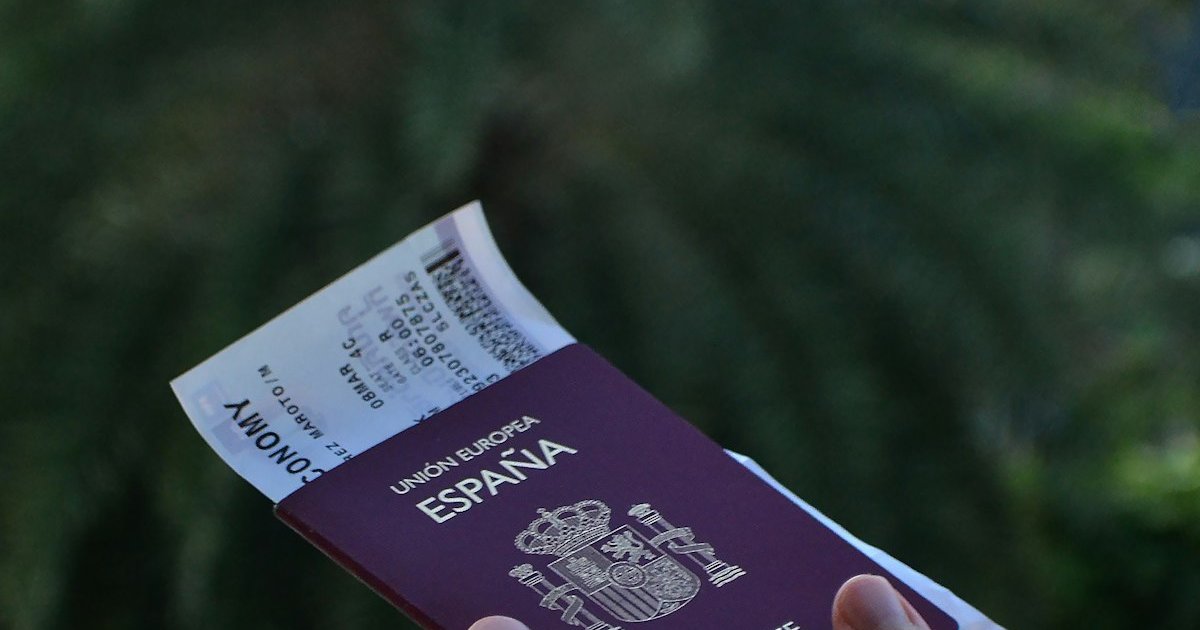
ATOL stands for Air Travel Organiser's Licence. It is a financial protection scheme run by the UK Civil Aviation Authority. It protects customers if the company that sold their flight-inclusive booking fails: they may get a refund, or help to finish the holiday and get home.
ATOL typically matters for flight-inclusive package holidays sold to UK customers, and for some flight-only bookings sold under an ATOL where the customer receives an ATOL Certificate.
ATOL is not travel insurance. It does not cover cancelled flights by an airline that is still trading, medical costs or lost luggage. See the CAA's ATOL protection pages for what is and is not covered.
Own ATOL vs agent of an ATOL holder
This distinction is where new agencies get stuck.
ATOL holder (principal): you hold your own ATOL number from the CAA and are responsible for licensable sales under that licence, including paperwork and ATOL Standard Terms.
Agent of an ATOL holder: you sell on behalf of a company that already holds an ATOL. Protection sits with that holder. You need a written agency agreement and must follow CAA rules on what customers are told and when they receive an ATOL Certificate.
Search the CAA register before you display any ATOL number. Never invent one.
What is ABTA?
ABTA is a trade association for UK travel businesses. Membership is voluntary. It is not a government licence and it is not a substitute for ATOL when ATOL is required.
ABTA members sign up to a code of conduct, complaints processes and, where their trading model requires it, financial protection arrangements under ABTA's rules. ABTA explains when customer money is protected and how that differs for packages, linked travel arrangements, agents and principals.
In practice, ABTA often comes up for:
Trust: many UK customers look for the ABTA logo before they book
Non-flight packages: flight-inclusive packages sold to UK customers need ATOL; non-flight packages may be protected through ABTA bonding, financial failure insurance, a trust account or another approved route under the Package Travel Regulations
Trading role: ABTA asks whether you act as an agent, a principal, or both (how your business trades)
Membership has costs and checks. It can strengthen confidence, but it does not replace ATOL when ATOL is required.
ATOL vs ABTA: side-by-side comparison
ATOLABTAWhat it isA CAA licence / financial protection scheme for certain air travel salesA voluntary trade association for travel businessesWho runs itCivil Aviation Authority (CAA)ABTACompulsory?Required for relevant licensable flight and flight-inclusive package sales under ATOL RegulationsNo — membership is optionalMain focusProtecting customers if the ATOL holder fails on flight-inclusive (and some flight-only) bookingsStandards, disputes support, and financial protection arrangements for members (where required by what they sell)What customers seeATOL logo, ATOL number, ATOL CertificateABTA logo and membership number (where used)Typical gapDoes not cover non-flight packages on its ownDoes not replace ATOL for flight-inclusive packages that need ATOLYour roleHold your own ATOL, or sell as an agent of an ATOL holderJoin as a member if you choose; protection still depends on how you trade
Use the table as a briefing sheet for staff and website copy. The detailed rules sit with the CAA, ABTA and the legislation — not with a marketing summary.
How Package Travel Regulations sit alongside ATOL and ABTA

The Package Travel and Linked Travel Arrangements Regulations 2018 are UK law. They define when you sell a package or linked travel arrangement, what you must tell customers, and the insolvency protection organisers must put in place.
Think of three layers:
Package Travel Regulations — the legal framework for packages and linked travel arrangements (flight and non-flight).
ATOL — the CAA scheme for flight-inclusive packages (and some flight-only sales) sold to UK customers.
ABTA (and similar schemes) — membership standards and, where needed, protection for non-ATOL turnover such as some coach, rail or accommodation packages.
A booking can be a package under the Regulations and ATOL-protected if it includes a flight. A non-flight package can fall under the Regulations without ATOL. ABTA membership may help with trust and some protection routes, but you still map each product to the right legal path.
If you combine a flight from one supplier and a hotel from another as one trip on your site, you may be organising a package even if you call yourself "just an agent". Read the Regulations and take advice before you launch dynamic packages.
Supplier protection vs your own licence (critical for white-label users)

Many UK agencies start by selling products already protected by an upstream operator or consolidator. That works only if you know whose protection covers each booking.
For every product line, ask:
Who is the principal on the customer contract?
If there is a flight, which ATOL number is on the ATOL Certificate?
Are you an agent under a written agreement with that ATOL holder?
For non-flight packages, who provides the insolvency protection required by the Package Travel Regulations?
What do your website terms, confirmations and invoices actually say?
On TravelWhiteLabel, our suppliers are ATOL and ABTA protected. TravelWhiteLabel does not hold an ATOL. Using the platform does not give your agency its own ATOL or ABTA membership. Supplier content is included at no extra cost on every plan; your own GDS or payment gateway charges, if you add them, are billed by those providers.
Reselling supplier packages under their agency terms is a different compliance path from building your own packages as principal. Decide early: agent of protected suppliers first, or own-licence principal from day one.
For the wider launch path, see how to start an online travel agency in the UK. For the platform model, read the white label travel website UK guide.
Practical checklist for UK agents before selling
Complete this before the first live payment.
Map products. List flight-only, hotel-only, flight-inclusive packages, non-flight packages and extras — and who the principal is for each.
Check ATOL. For flight-inclusive sales to UK customers, confirm own ATOL vs agency agreement with an ATOL holder. Read the CAA ATOL pages and selling through agents guidance.
Check package rules. Use the 2018 Regulations (or advice based on them) to spot packages and linked travel arrangements.
Decide on ABTA. Optional. Weigh trust, cost and whether you need ABTA-administered protection for non-ATOL sales (membership overview).
Fix website copy. Say whose protection applies; show logos and numbers only when authorised; never claim a licence you do not hold.
Align confirmations. ATOL Certificates, confirmations and invoices must match what was sold.
Train the team. Answer "Are we ATOL / ABTA protected?" with the accurate supplier-or-own-licence answer.
Review on model change. Dynamic packages, charter or principal contracts can change your duties overnight.
Key takeaways
ATOL vs ABTA is not like-for-like. ATOL is a CAA licensing scheme for relevant air travel sales; ABTA is voluntary membership.
Flight-inclusive packages for UK customers generally need ATOL arrangements — your own licence or agent-of-holder sales.
The Package Travel Regulations 2018 define packages and linked travel arrangements, including many non-flight trips.
Supplier protection is theirs, not yours. On TravelWhiteLabel, our suppliers are ATOL and ABTA protected; we do not hold an ATOL.
Website claims must match the paperwork. Wrong logos or vague "fully protected" wording create risk.
This is not legal advice. Confirm your model with the CAA, ABTA and an adviser before you sell.
FAQ
Do I need both ATOL and ABTA?
Not necessarily. Licensable flight products need the correct ATOL arrangements (own licence or agent of an ATOL holder). ABTA is optional: standards, disputes support and, for some members, protection on non-ATOL sales. Many agencies hold both; others start on supplier ATOL cover and add ABTA later.
If my suppliers are ATOL protected, do I need my own ATOL?
Often you can sell as their agent under a compliant agreement and the right customer documents. That does not give you your own ATOL number. If you organise flight-inclusive packages as principal, you may need your own licence — check with the CAA.
Does ABTA protect flight packages?
Flight-inclusive packages sold to UK customers use the CAA's ATOL scheme. ABTA members still need the right ATOL arrangements for those sales. ABTA protection is discussed more often for non-flight packages — see ABTA's money protection guidance.
Are white label bookings automatically ATOL protected?
No. Protection depends on the product and the principal. On TravelWhiteLabel, our suppliers are ATOL and ABTA protected; we do not hold an ATOL. Check each confirmation and ATOL Certificate.
Where can I read the official rules?
Start with the CAA's ATOL protection hub, ABTA's protection pages, and the Package Travel and Linked Travel Arrangements Regulations 2018. Pages on the GOV website help with company setup; ATOL detail lives with the CAA.
Ready to sell with clear supplier protection?
Want a branded booking website without building from scratch? Start on a free beta site with TravelWhiteLabel. There is no setup fee. Billing starts at go-live: Growth £179, Scale £599 and Elite £999 per month, with API access at £999 per month. Pay 12 months upfront and get 2 months free. Suppliers are included at no extra cost, and our suppliers are ATOL and ABTA protected — we do not hold an ATOL.
See pricing, the B2C booking platform, or book a live demo. For budgets alongside compliance, read how much a travel booking website costs in the UK.